Source Water Level Sensor for Tanks, Pumps, and Irrigation
Compare 26 Water Level Sensor options including capacitive, float, and piezoelectric types with varying voltage and temperature ratings. Buyers can evaluate specifications like accuracy, IP ratings, and material grades to find suitable industrial solutions.
Key considerations
Products List


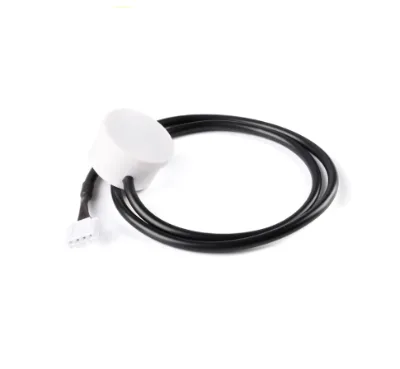


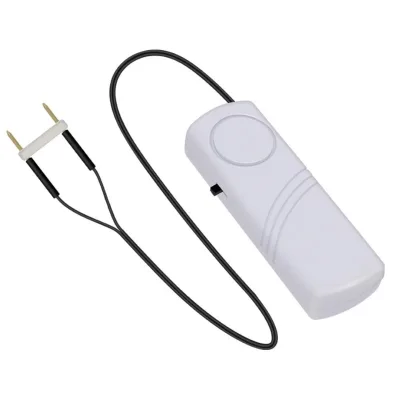

Comprehensive Sourcing Guide
Water Level Sensor Sourcing Guide
Selecting the right Water Level Sensor requires a clear understanding of the diverse technologies available in the current market. Procurement teams must navigate a landscape that includes capacitive, piezoelectric, and float-type magnetic switches, each offering distinct advantages for specific industrial environments. The decision process begins with defining the operational parameters, such as the medium being measured, the required accuracy, and the environmental conditions the sensor will face. By aligning technical requirements with supplier capabilities, buyers can mitigate risks associated with installation failures or inaccurate readings.
This guide provides a structured approach to sourcing water level sensors, focusing on verified product attributes, compliance standards, and commercial terms. It draws upon observed market data to highlight key specifications and potential pitfalls. Buyers are encouraged to use this framework to evaluate suppliers systematically, ensuring that every procurement decision is backed by concrete evidence rather than marketing claims. The goal is to facilitate a transparent and efficient sourcing process that delivers reliable performance and long-term value.
Product Scope and Observed Listing Signals
The current market for water level sensors exhibits a wide range of product models and technical configurations. Observed listings include specific model identifiers such as HDL300-158, HDL300-281, HDL300-200, HDL300-133, HDL300-256, and HDL300-146, alongside other designations like AT. These models often correspond to different structural designs, such as all-in-one units or input-type structures, catering to varied installation needs. The presence of multiple model numbers suggests that suppliers offer modular or specialized solutions, allowing buyers to select hardware that precisely matches their tank or reservoir dimensions.
Price and minimum order quantity (MOQ) signals indicate a flexible market structure. The observed price range spans from $0.03 to $500, reflecting the disparity between simple components and complex, integrated transmitters. MOQs typically range from 1 to 100 units, accommodating both prototype testing and bulk industrial deployment. Buyers should note that these figures are observational and may vary based on customization requests, packaging requirements, and volume commitments. Understanding these signals helps in budgeting accurately and negotiating terms that align with project scales.
Technical Specifications to Verify
Accuracy and measurement principles are critical differentiators among water level sensors. Some products utilize a float-type magnetic level switch principle, while others employ piezoelectric or silicon piezoresistive types. For instance, certain listings specify an accuracy of ±3mm or 0.2%, which is vital for applications requiring precise liquid level control. Buyers must verify the measurement accuracy grade, such as 0.2G, and ensure it meets the tolerance requirements of their process. The choice between analog output signals and other types should be driven by the compatibility with existing control systems and data acquisition infrastructure.
Environmental and electrical specifications further define sensor suitability. Operating temperatures vary, with some sensors rated for -40°C to +380°C, while others are specified for -20°C to 80°C. Electrical parameters, such as an operating voltage of 5.0V and current consumption of less than 12mA, are essential for power management in remote or battery-operated setups. Additionally, features like IP ratings and explosion-proof certifications (e.g., ATEX) are crucial for hazardous or wet environments. Buyers should cross-reference these specifications with their site conditions to prevent premature failure or safety incidents.
Compliance and Safety Documentation
Certification requirements are a primary concern for industrial procurement. Many listed products carry RoHS, CE, and CCC certifications, indicating compliance with environmental and safety standards in various regions. The presence of ISO-type insulation certifications suggests adherence to quality management systems, although specific ISO standards like ISO9001 should be verified directly with the supplier. Buyers must ensure that the documentation provided is valid and up-to-date, as outdated certificates may not reflect current manufacturing practices or regulatory changes.
Safety and explosion-proof ratings are particularly important for sensors used in potentially explosive atmospheres. Listings mentioning ATEX certification imply that the equipment is designed to prevent ignition sources in hazardous zones. However, buyers should request detailed technical files and test reports to confirm the extent of the certification. It is also advisable to verify the material composition, such as the use of 304, 316 stainless steel, or Hastelloy, to ensure chemical compatibility and corrosion resistance. Proper documentation ensures legal compliance and operational safety.
Cost Drivers and Commercial Terms
Several factors influence the total cost of ownership for water level sensors. Customization options, such as tailored wiring lengths or specific housing materials, can significantly impact pricing. The observed price range reflects these variables, with basic models at the lower end and highly customized or high-accuracy units at the higher end. Buyers should clarify whether the quoted price includes packaging, such as carton or wooden box options, and whether any additional fees apply for special labeling or branding requirements.
Commercial terms, including shipping methods and warranty periods, also affect the overall cost. Door-to-door delivery services may offer convenience but could come at a premium compared to standard freight options. A one-year warranty is commonly offered, but buyers should inquire about extended warranty options and the terms of technical support, such as 7*24h availability. Localization services can reduce long-term maintenance costs by providing on-site assistance. Understanding these terms helps in comparing total costs across different suppliers and avoiding hidden expenses.
Supplier Qualification and Quality Control
Supplier location and origin are key indicators of supply chain reliability. Many products originate from Shaanxi, China, a region known for its manufacturing capabilities. Buyers should assess the supplier’s production capacity and quality control processes to ensure consistent product quality. Requesting samples for testing is a prudent step to verify performance claims, such as operating current, voltage output, and accuracy under real-world conditions. This due diligence helps in identifying potential discrepancies between advertised specifications and actual product performance.
Technical support and service capabilities are vital for long-term partnership. Suppliers offering localization services and comprehensive technical support can resolve issues more efficiently, minimizing downtime. Buyers should evaluate the supplier’s responsiveness and expertise in handling technical queries. Additionally, verifying the supplier’s ability to provide customized solutions can be crucial for unique application requirements. A qualified supplier will demonstrate transparency in their processes and a commitment to customer satisfaction.
Long-Term Procurement Checks
Monitoring supplier performance over time is essential for maintaining supply chain stability. Buyers should establish key performance indicators (KPIs) related to delivery times, product quality, and after-sales service. Regular audits or reviews of the supplier’s quality management systems can help identify areas for improvement. Keeping track of certification renewals and ensuring that suppliers adhere to updated standards is also critical for ongoing compliance.
Feedback loops with end-users can provide valuable insights into sensor performance in the field. Collecting data on failure rates, maintenance needs, and user satisfaction can inform future procurement decisions. Buyers should also stay informed about technological advancements in water level sensing, such as improvements in piezoelectric or capacitive technologies. By maintaining a proactive approach to supplier management, organizations can ensure a reliable supply of high-quality water level sensors that meet their evolving operational needs.
FAQs
What certifications are available for water level sensors?
Certified options typically include RoHS, CE, and CCC marks to ensure regulatory compliance. These certifications verify that the devices meet specific safety and environmental standards for industrial use. Buyers should verify the exact certification list with the supplier before ordering to ensure alignment with local import requirements and operational safety protocols.
Can water level sensors be customized for specific projects?
Yes, customized solutions are available to meet unique project requirements. Manufacturers often offer tailored specifications for dimensions, output signals, or mounting structures. This flexibility allows buyers to integrate sensors seamlessly into existing systems. It is advisable to discuss specific technical needs directly with the supplier to ensure the customized product meets all operational constraints.
What is the typical operating temperature range for these sensors?
Operating temperatures generally range from -40°C to +380°C for high-performance models. Some standard variants operate between -20°C and 80°C. This wide range ensures reliability in diverse environmental conditions. Buyers must select the appropriate model based on their specific application environment to prevent performance degradation or hardware failure during extreme temperature fluctuations.
Which materials are used for the process connection?
Process connection materials commonly include 304 stainless steel, 316 stainless steel, and Hastelloy. These materials provide corrosion resistance and durability in harsh chemical environments. The choice of material depends on the fluid being measured. Selecting the correct alloy is critical for maintaining measurement accuracy and extending the service life of the sensor in aggressive industrial applications.
What is the accuracy grade for precision level transmitters?
Precision models often feature an accuracy grade of 0.2G or similar high-standard metrics. Some devices offer measurement accuracy within ±3mm. High accuracy is essential for critical process control applications. Buyers should verify the specific accuracy specifications for the selected model to ensure it meets the precision requirements of their monitoring and control systems.
How are water level sensors typically packaged for shipping?
Sensors are typically packaged in cartons or wooden boxes for protection. Specific models may use individual boxes or larger standard shipping containers like 50x50x50cm boxes. Proper packaging ensures the devices arrive without damage. Buyers should confirm packaging details with the supplier to ensure compliance with logistics requirements and to protect sensitive electronic components during transit.